


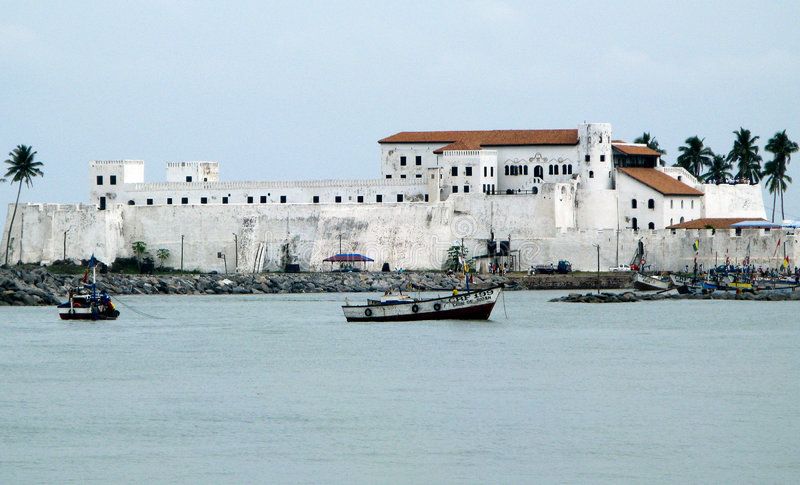
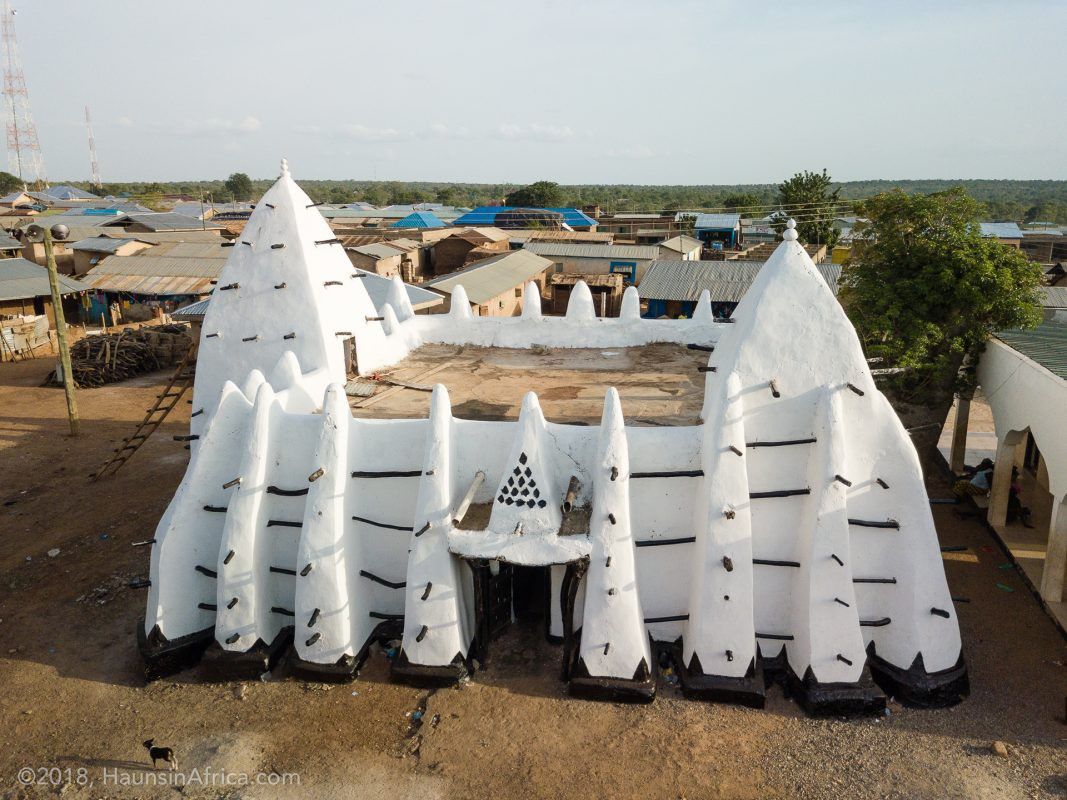
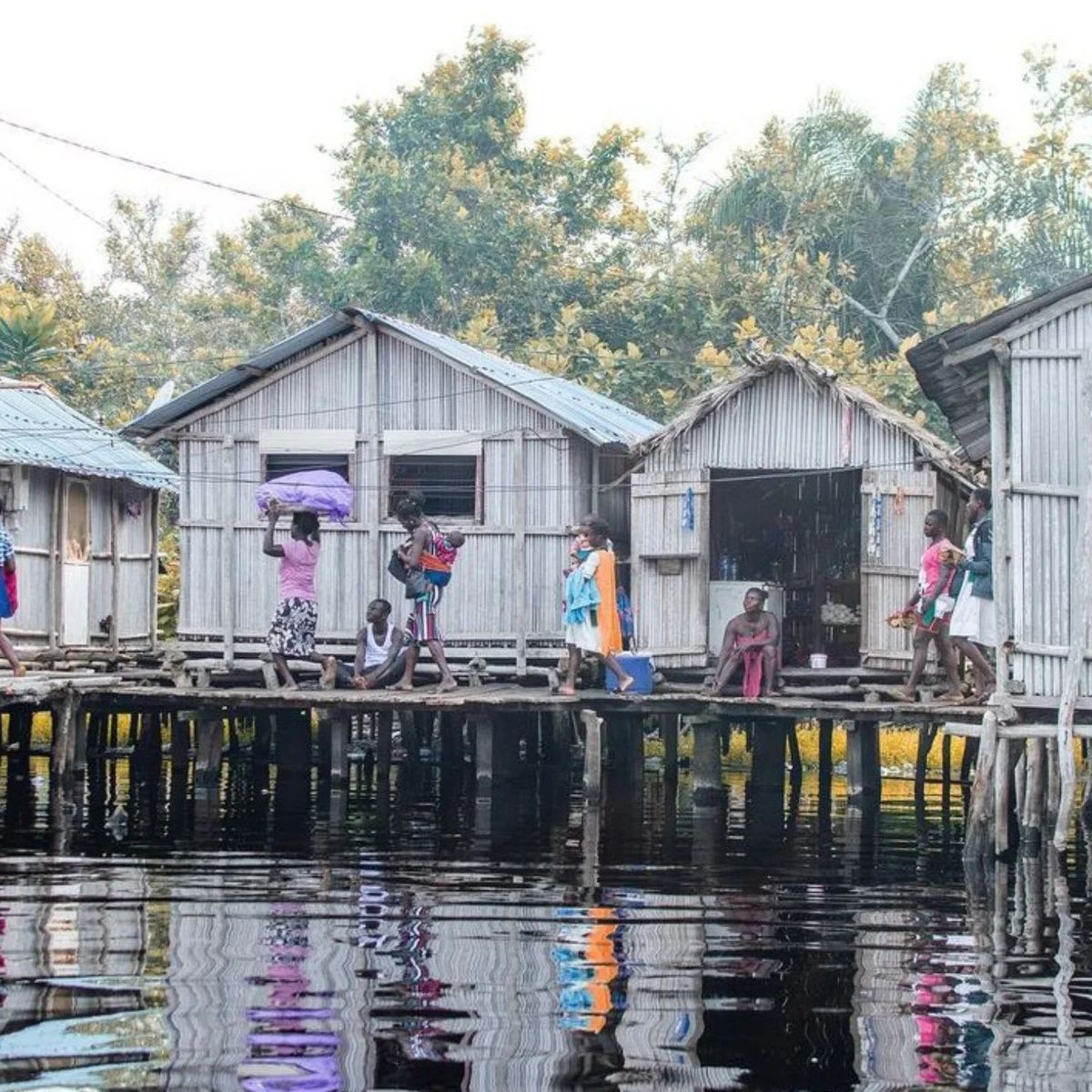
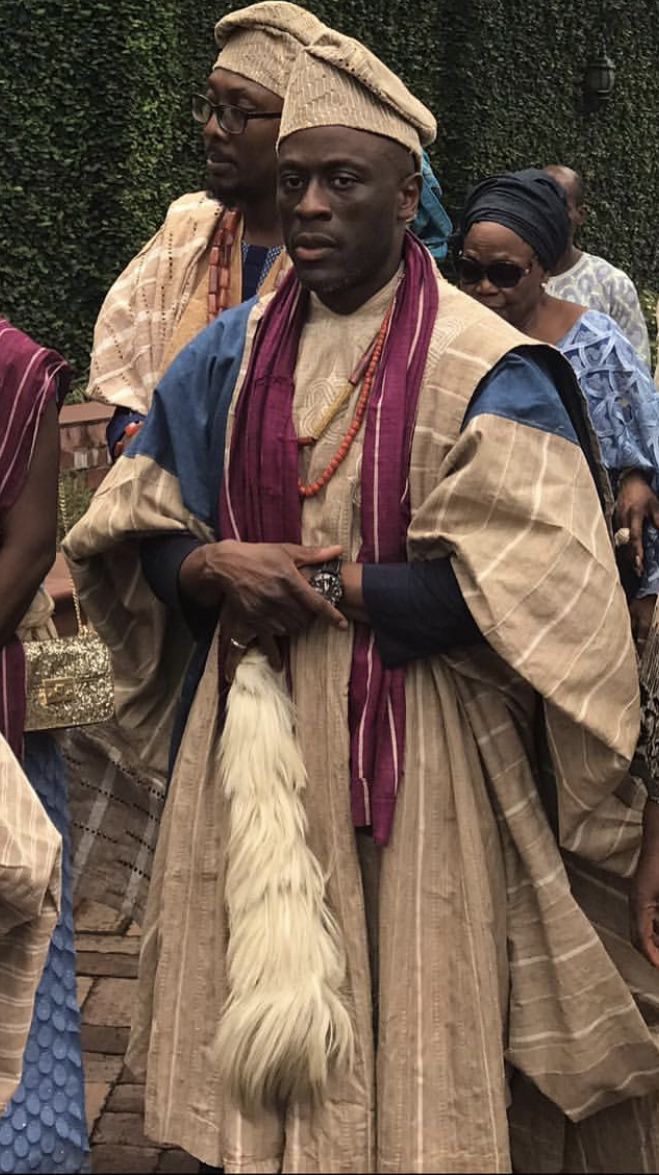
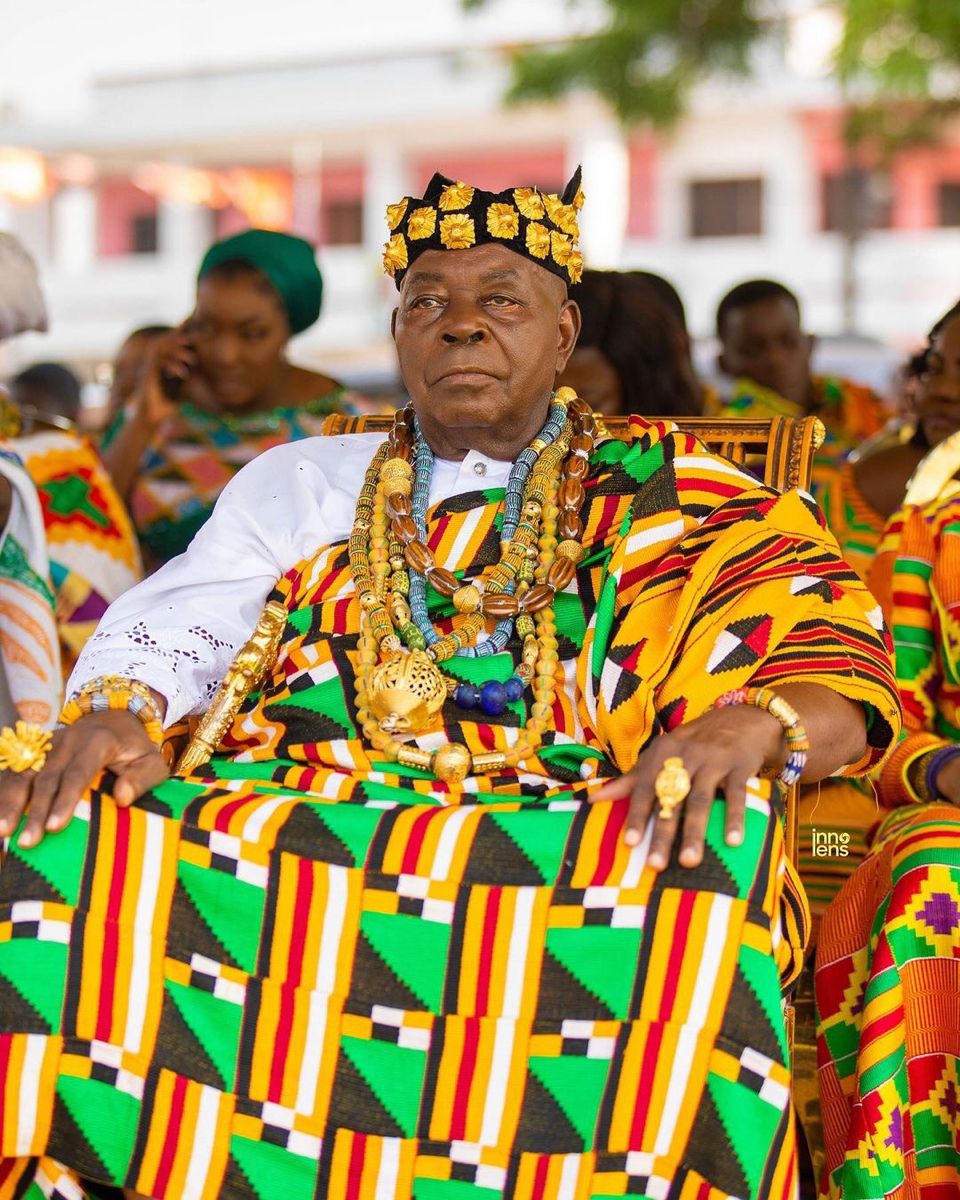
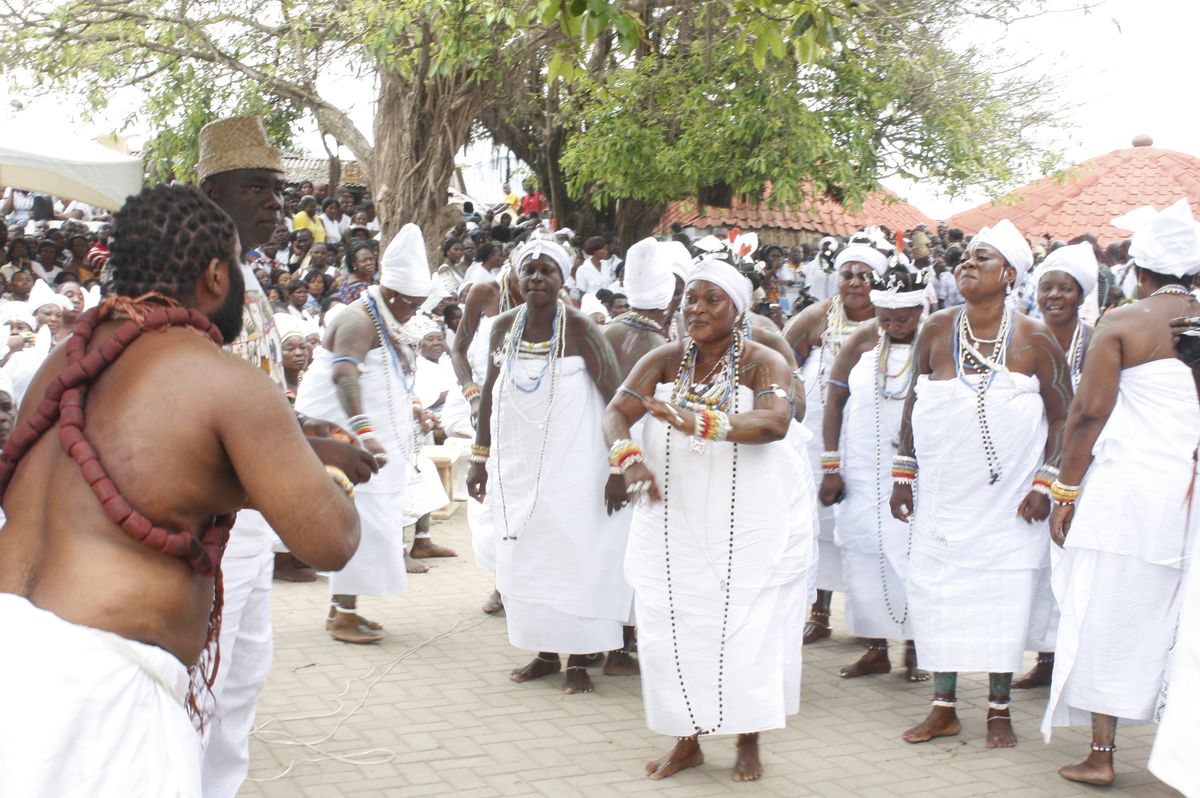

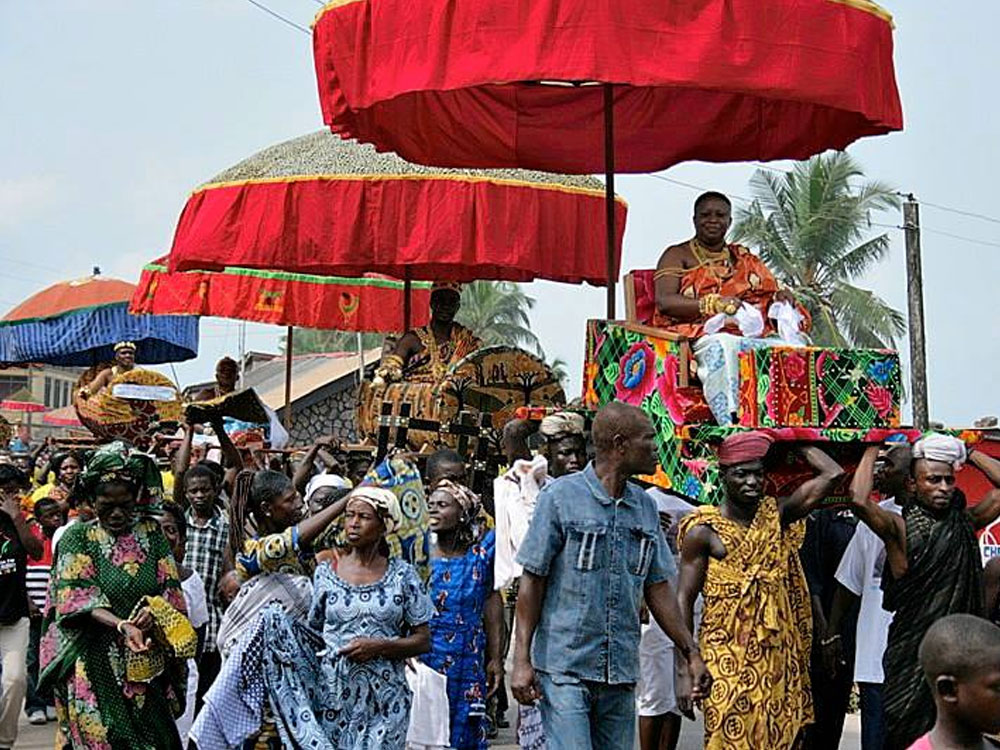
Heritage is the foundation—the culture, symbols, and history we inherited. Patriotism is the active devotion we show to protect and grow that inheritance. Based on Ghana's history, they relate through a cycle of Sacrifice, Identity, and Responsibility.
1. The Sacrifice
Heritage as the Motivation for Patriotism
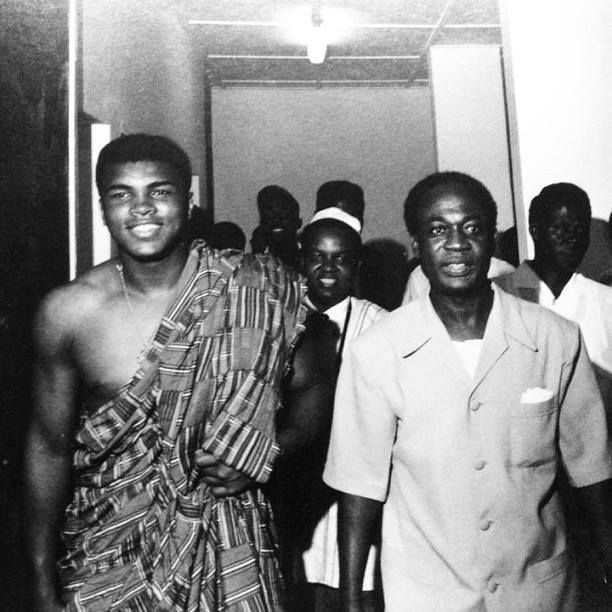
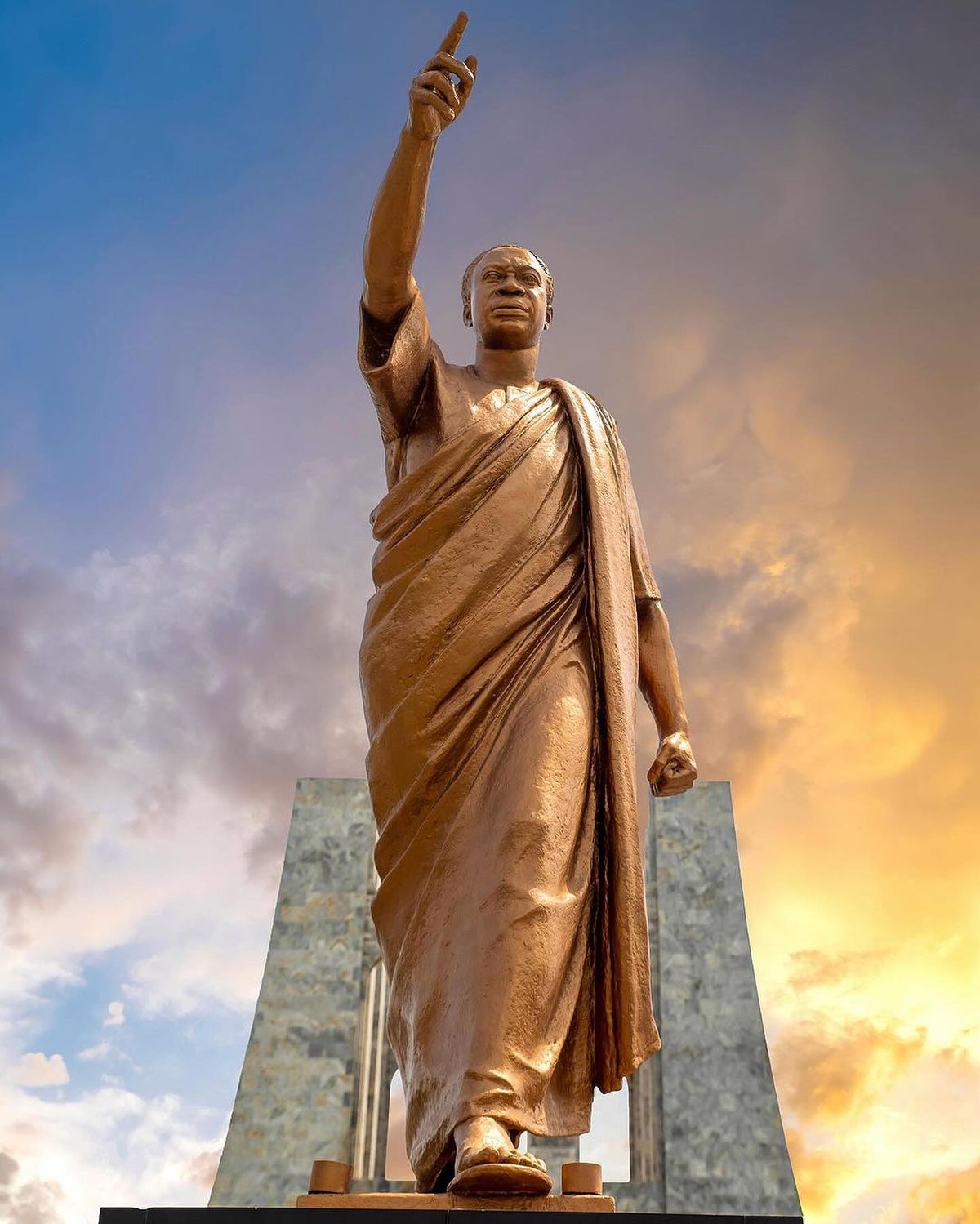
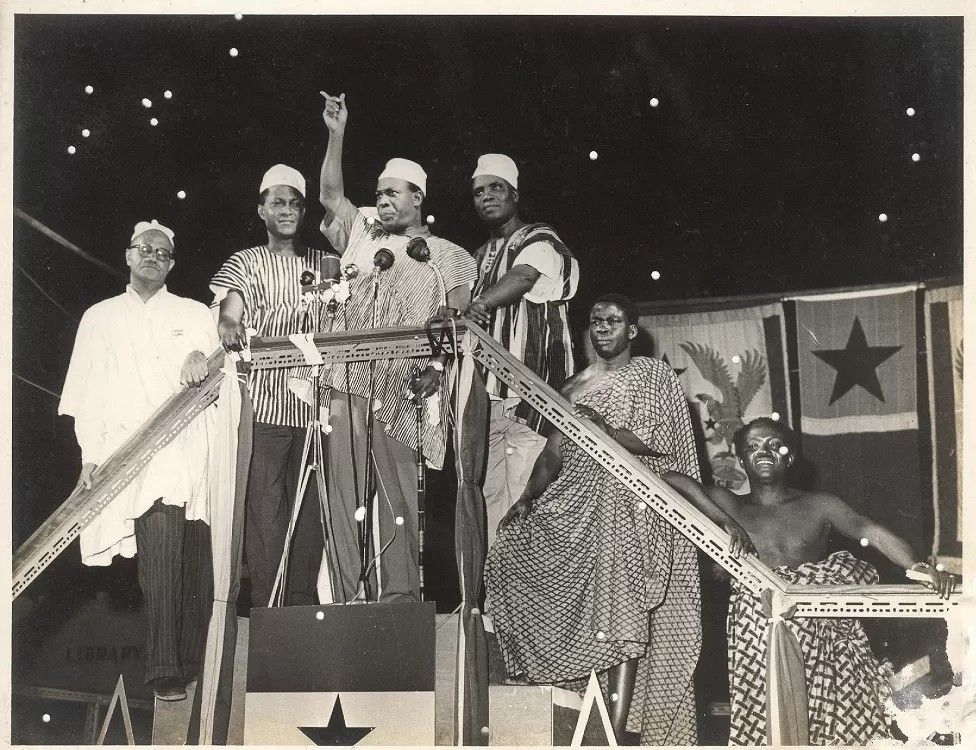
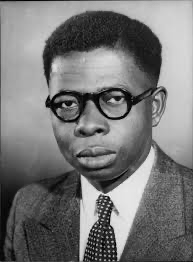
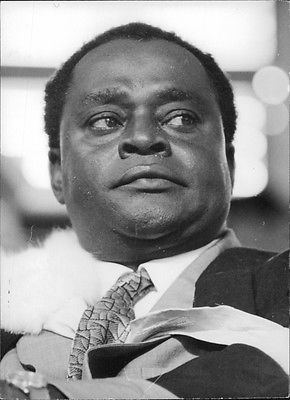
The "Big Six" and the veterans of 1948 didn't fight for a blank map; they fought because of their heritage. Leaders like J.B. Danquah researched the ancient Ghana Empire, realizing their ancestors were powerful and wealthy. Dr. J.B. Danquah spent years in the British Museum and archives researching the Ancient Ghana Empire (which existed in the Mali/Mauritania region). He discovered a powerful, gold-rich, and intellectually advanced civilization. By linking the people of the Gold Coast to this empire, he provided proof that Africans were capable of self-governance long before Europeans arrived. This heritage transformed the independence movement from a "rebellion" into a "restoration." It gave the "Big Six" the moral authority to demand a return to greatness.
2. The Symbols
Heritage as the Language of Patriotism
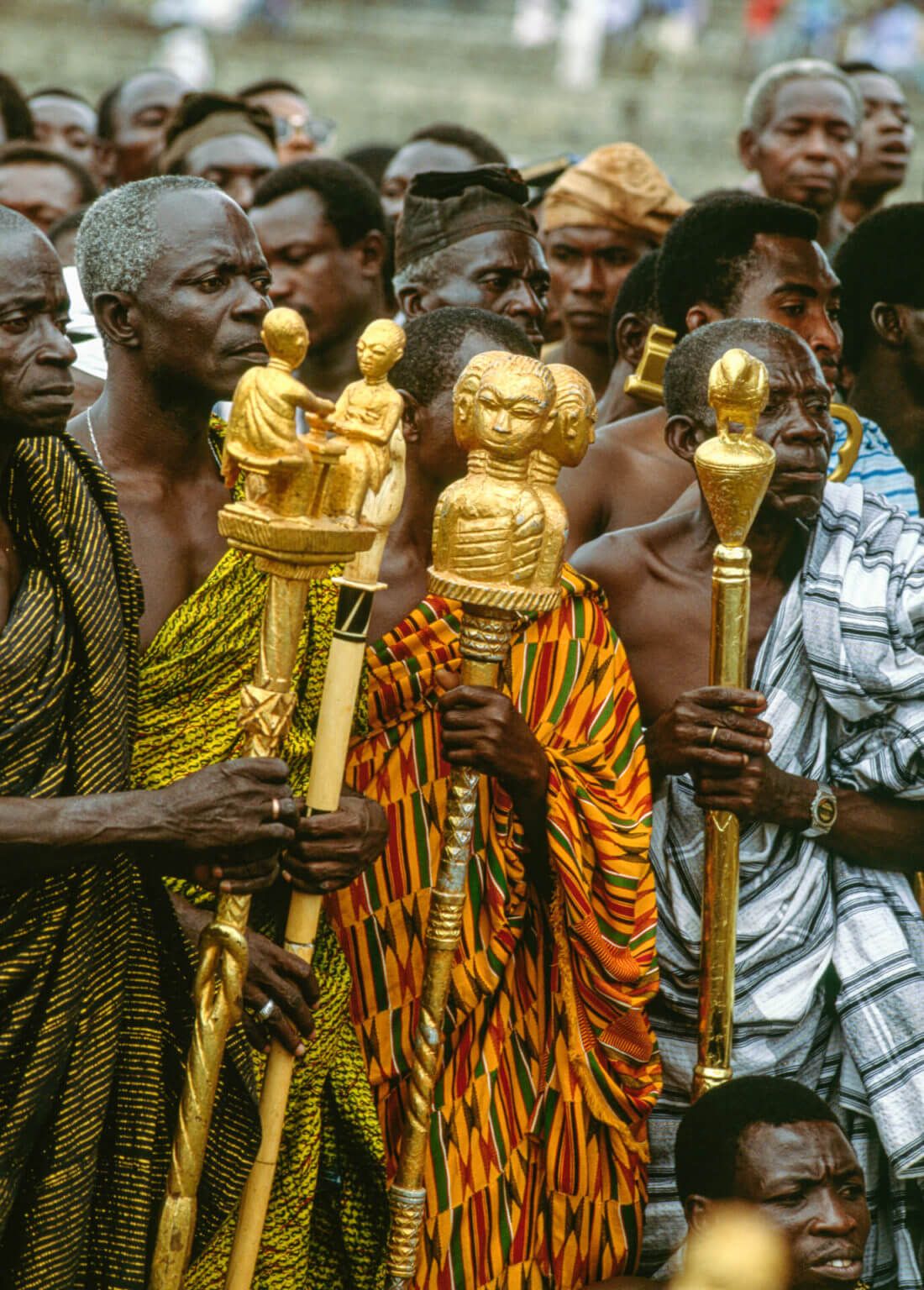
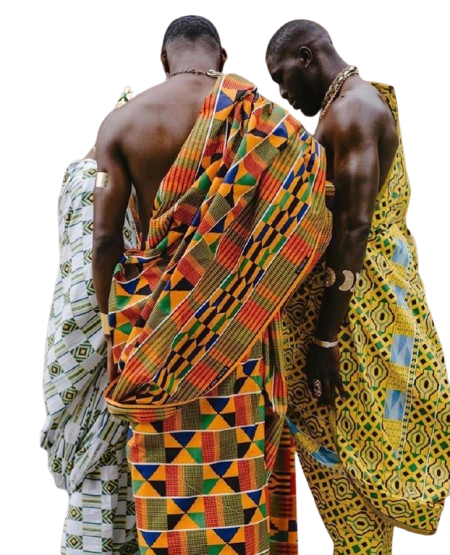
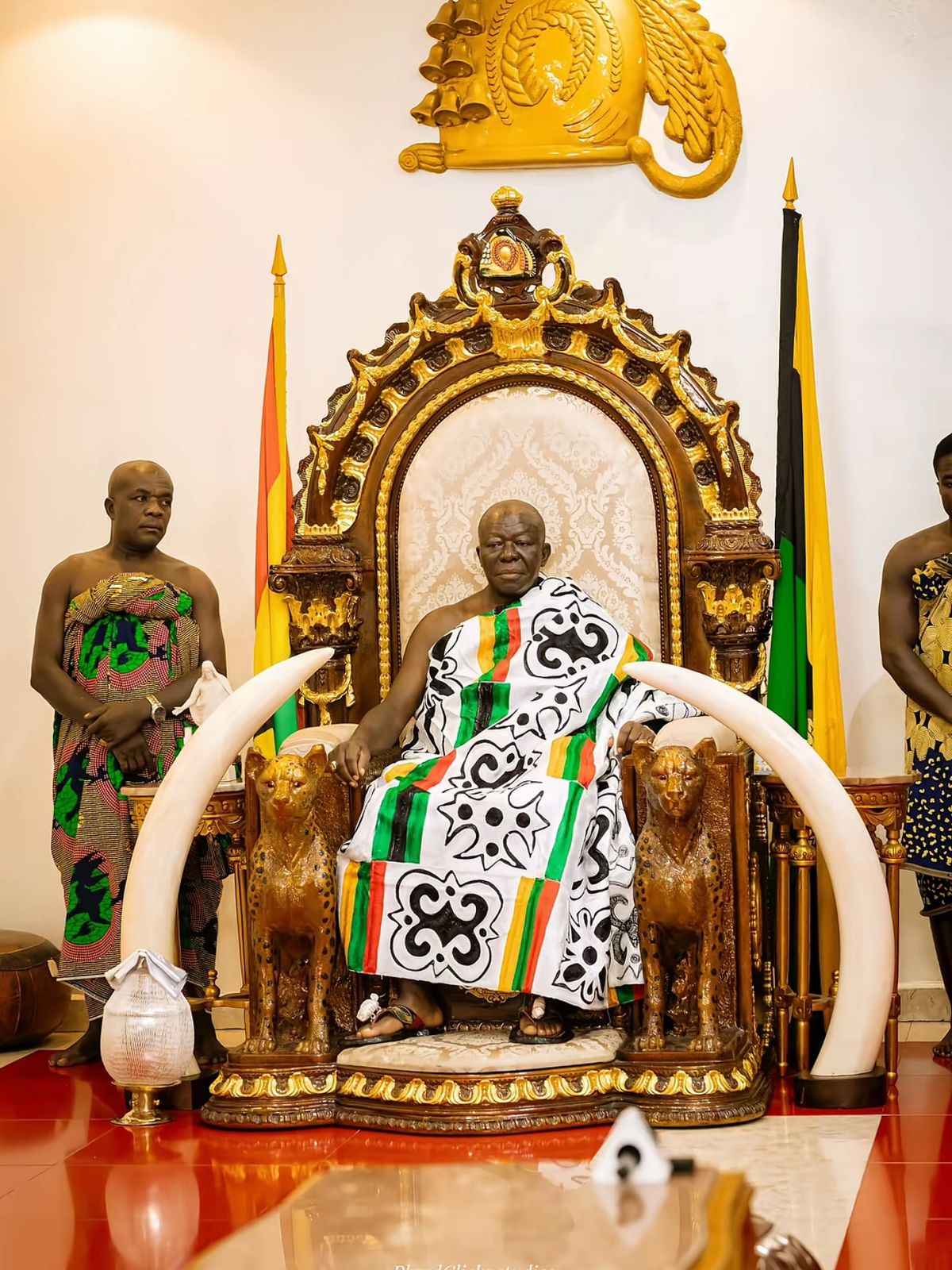
When a Ghanaian salutes the flag, they salute heritage. The Red represents the blood of ancestors. Using ancient Adinkra symbols like Gye Nyame in modern government says: "Our modern nation is built on our ancient wisdom." The Parliament of Ghana uses a mace (the symbol of authority) that is heavily decorated with Adinkra symbols like the Sankofa (Learning from the past) and Gye Nyame (God's Supremacy). This implies that no law is passed without respecting the wisdom of the elders. The official chair of the President often features the Bi Nka Bi (No one should bite another), symbolizing the patriotic duty to maintain peace and avoid civil strife. Using these symbols in architecture (like the Jubilee House) ensures that the "visual language" of the state remains authentically African rather than purely colonial.
3. The Responsibility
Protecting Heritage as a Patriotic Duty
Being a patriot means being a custodian. Protecting the "Green" in the flag (our land) from destruction like Galamsey is a patriotic act. llegal mining (Galamsey) is framed here as an "unpatriotic act" because it destroys the very water bodies (like the Pra, Birim, and Ankobra) that sustained our ancestors. A patriot acts as a whistleblower and a protector of the soil. Safeguarding the environment ensures that the "Green" in the flag remains a reality for future generations, maintaining Economic Sovereignty through sustainable agriculture. Reclaiming devastated lands is presented as a modern-day battle, similar to the independence struggles of the past.